People have debated the benefits of the sauna for centuries, and in Finland it’s not a habit so much as a way of life. The short answer: used regularly and correctly, a sauna may help you relax, sleep better and recover after exercise, and long-term Finnish observational studies have linked frequent sauna use with better cardiovascular outcomes. The key is the routine — temperature, length of each round, cooling down and drinking enough water.
In this guide we explain the likely benefits in plain language, walk through the classic Finnish routine and list who should be careful.
Possible health benefits of the sauna
First, a disclaimer: a sauna is not medicine and doesn’t replace treatment. What follows reflects general scientific consensus and long-standing practice.
Relaxation and stress relief
Heat relaxes the body and eases muscle tension. Fifteen or twenty minutes with no phone and no noise is also a great digital break. Many people describe feeling calm and light afterwards.
Better sleep
After a sauna your body temperature gradually drops, which may make it easier to fall asleep. That’s why many people prefer an evening session.
Muscle recovery
After a workout, heat boosts circulation and may help ease muscle tension. Saunas are a popular recovery tool among athletes.
Heart and circulation: what the research says
Long-term observational studies in Finland found that men who used a sauna several times a week had a lower risk of cardiovascular disease. But that’s an association, not proven cause and effect — regular sauna-goers may also live differently in other ways. A sauna can be an enjoyable part of a healthy lifestyle; it doesn’t replace exercise, good nutrition or medical care.
Skin and breathing
Sweating helps cleanse the skin, and warm steam makes breathing feel easier for many people. If you’re acutely ill, though, skip the sauna.
Types of heat bathing: temperature and humidity
| Type | Temperature | Humidity | How it feels |
|---|---|---|---|
| Finnish sauna (dry) | 80–100 °C | 10–20% | Dry, strong heat; a short burst of steam when water hits the stones |
| Steam room | 40–60 °C | high | Moist, soft heat |
| Turkish hammam | 40–50 °C | very high | Warm marble, steam, foam massage |
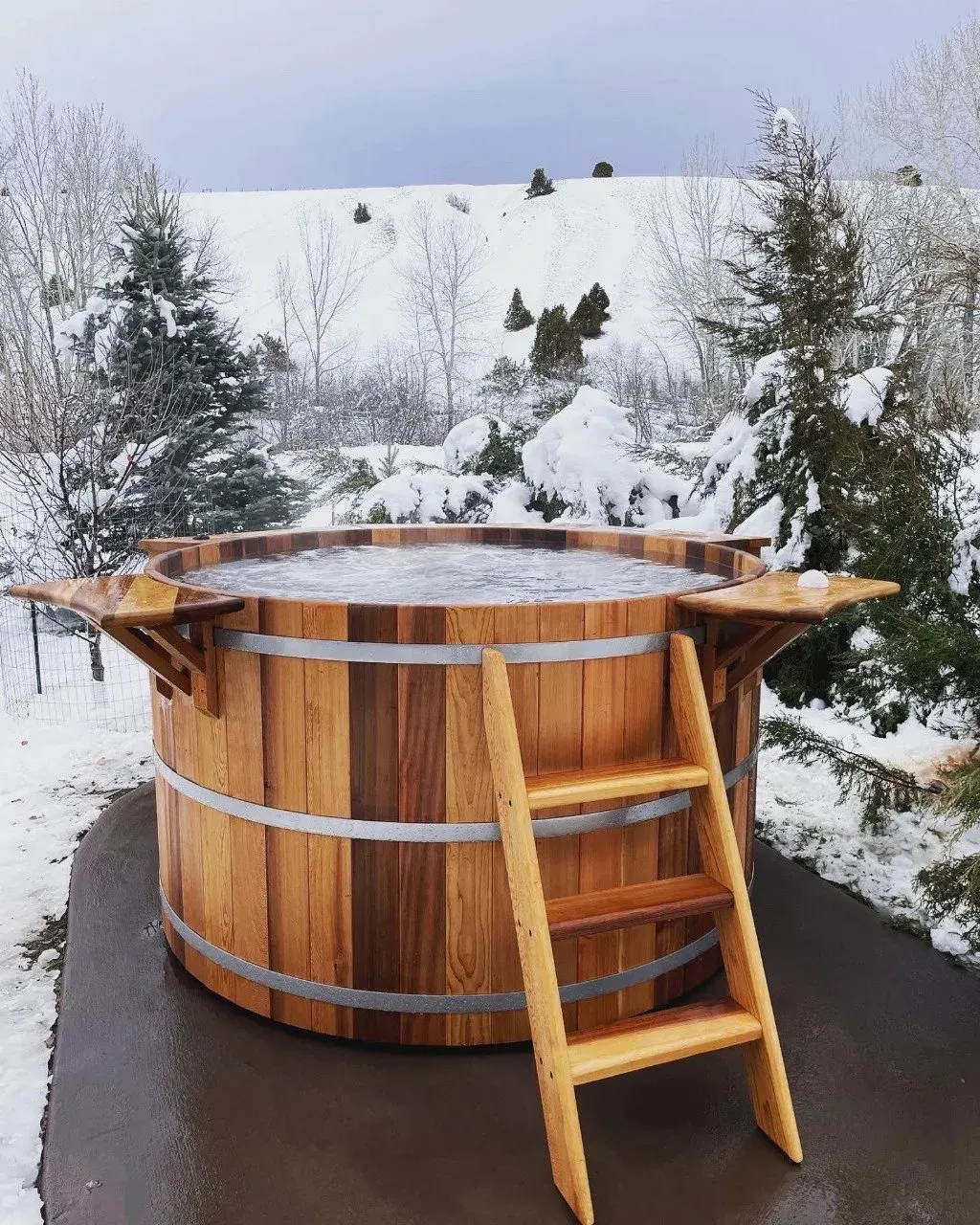
This article focuses on the Finnish sauna. In cottage saunas and outdoor spa complexes, a sauna room, steam room, Turkish hammam, salt room and hot/cold tub can all be combined under one roof.
How to use a sauna: step by step
- Prepare. Don’t go in hungry or straight after a heavy meal — 1–2 hours after eating is ideal. Drink a glass or two of water, shower and dry off: dry skin sweats more evenly.
- First round — 8–12 minutes. Start on the lower bench; the hottest air sits at the top. If you feel unwell, leave — don’t wait for the timer.
- Cool down. A cool shower, a cold plunge or fresh air. Then sit and rest for 10–15 minutes and drink some water.
- Further rounds. Two or three rounds in total is plenty. Throw a ladle of water on the stones if you want more steam.
- Finish. Lukewarm shower, a long rest, plenty of water. Don’t rush to drive or do heavy work before you’ve recovered.
How many rounds, and how long?
| Beginners | Experienced users | |
|---|---|---|
| Temperature | 70–80 °C | 80–100 °C |
| One round | 5–8 minutes | 10–15 minutes |
| Number of rounds | 1–2 | 2–4 |
| Rest between rounds | 10–15 minutes | 10–20 minutes |
These are guidelines, not rules. The golden rule is listen to your body. Dizziness, nausea or a pounding heart mean it’s time to get out.
Hydration: what and how much to drink
You can lose a fair amount of fluid in a single session. So:
- Drink water or unsweetened herbal tea before, between rounds and after.
- Mineral water may help replace lost salts.
- No alcohol — alcohol combined with intense heat is dangerous.
Cold water: plunge tub, pool or shower
The hot–cold contrast is one of the best-loved parts of the Finnish ritual. Many people find it invigorating.
- Build up gradually: start with a cool shower, then move to a cold plunge.
- Don’t jump into icy water head first; 10–30 seconds is enough.
- People with heart conditions should avoid sudden cold and talk to their doctor first.
Small tips and sauna etiquette
A few simple habits experienced sauna-goers swear by:
- Always sit or lie on a towel. It’s hygienic and protects the wood from sweat stains.
- Protect your head. A felt or wool sauna hat helps keep your head from overheating.
- Take off metal jewellery. Rings, watches and chains heat up and can burn the skin. Remove contact lenses too.
- Leave your phone outside. Heat and humidity are bad for electronics — and the sauna is for switching off.
- If you’ve been lying down, sit up for a minute or two before leaving to avoid dizziness.
- Go easy with the steam. Ask the others before throwing water on the stones — not everyone likes it strong.
Who should be careful?
Consult your doctor before using a sauna if you have:
- Heart disease, a recent heart attack, or uncontrolled high or low blood pressure.
- A pregnancy.
- A fever, acute infection or inflammation.
- Epilepsy, a serious chronic condition, or medication that affects blood pressure or the heart.
Children should use a sauna only under adult supervision, at a lower temperature and for short periods. And no one should use a sauna after drinking alcohol.
Benefits every day: a sauna of your own
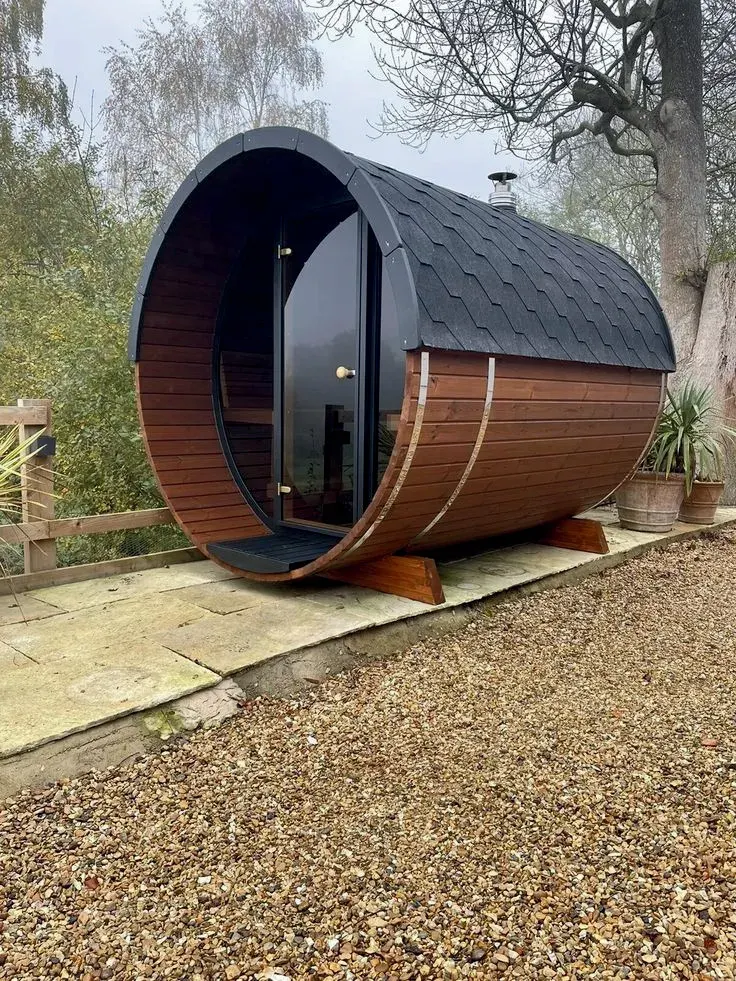
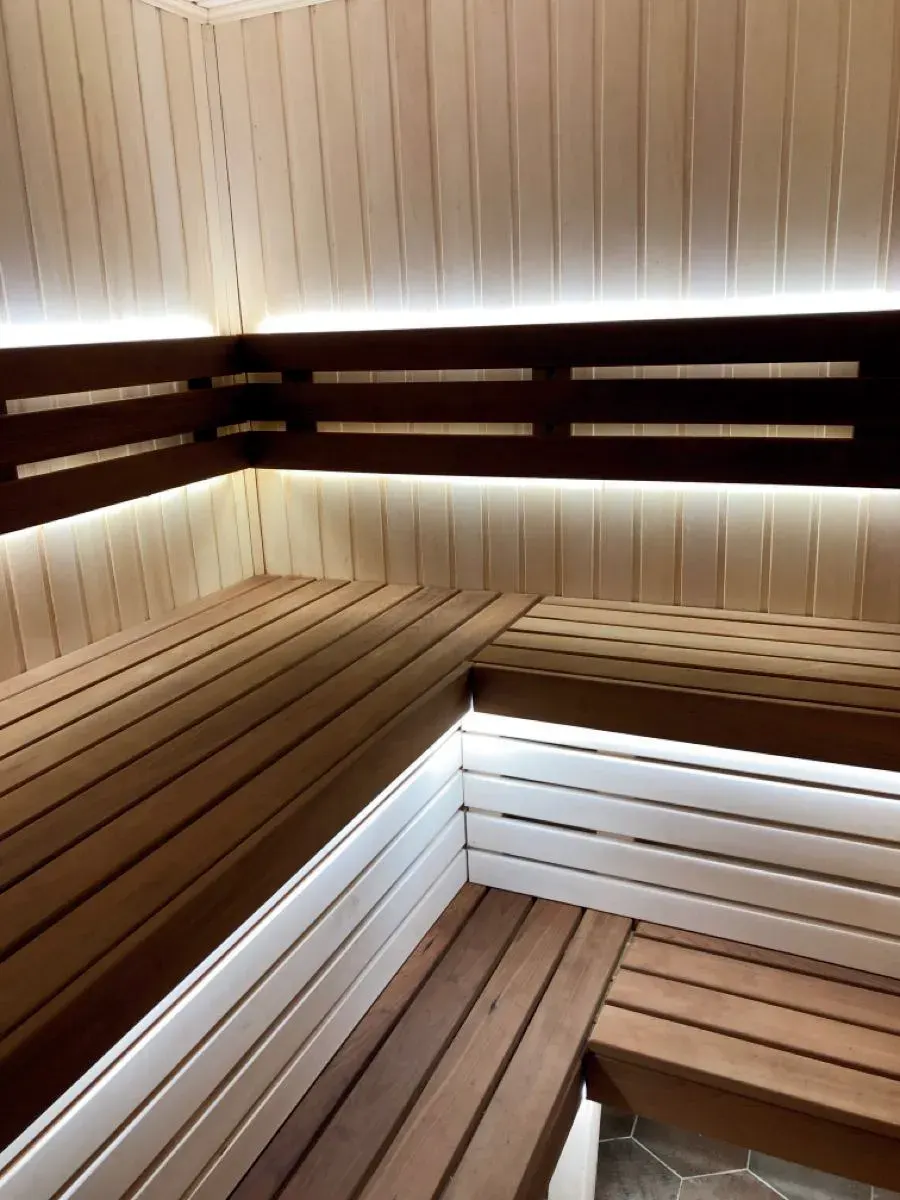
The benefits are felt most with regular use. With a sauna of your own, it stops being a once-a-week outing and becomes a daily habit. For the garden, explore our outdoor saunas; for the house, see indoor saunas. A cottage sauna can also include a hot and cold tub or pool — perfect for contrast bathing.
FAQ
How often can I use a sauna each week?
For healthy adults, 1–4 sessions a week is a common routine. Finnish studies linked more frequent use with better outcomes, but choose a routine that suits your health — and agree it with your doctor if you have a chronic condition.
How long should I stay in a sauna?
One round usually lasts 8–15 minutes, or 5–8 minutes for beginners. Two or three rounds in total is enough. Leave as soon as you feel unwell.
Can I use a sauna right after a workout?
Catch your breath first, drink water and rest for 10–20 minutes. Going in while you’re still overheated and dehydrated adds unnecessary strain.
Is a cold plunge after the sauna dangerous?
For healthy people, a short and gradual cool-down is generally considered safe. People with cardiovascular problems should avoid sudden cold and follow their doctor’s advice.
Can I use a sauna during pregnancy?
Overheating during pregnancy is best avoided. Make any decision about sauna use together with your doctor.
Thinking about a sauna of your own at home or in the garden? Message us on WhatsApp — we’ll give you a free consultation and a project proposal tailored to your space. Message us on WhatsApp.